

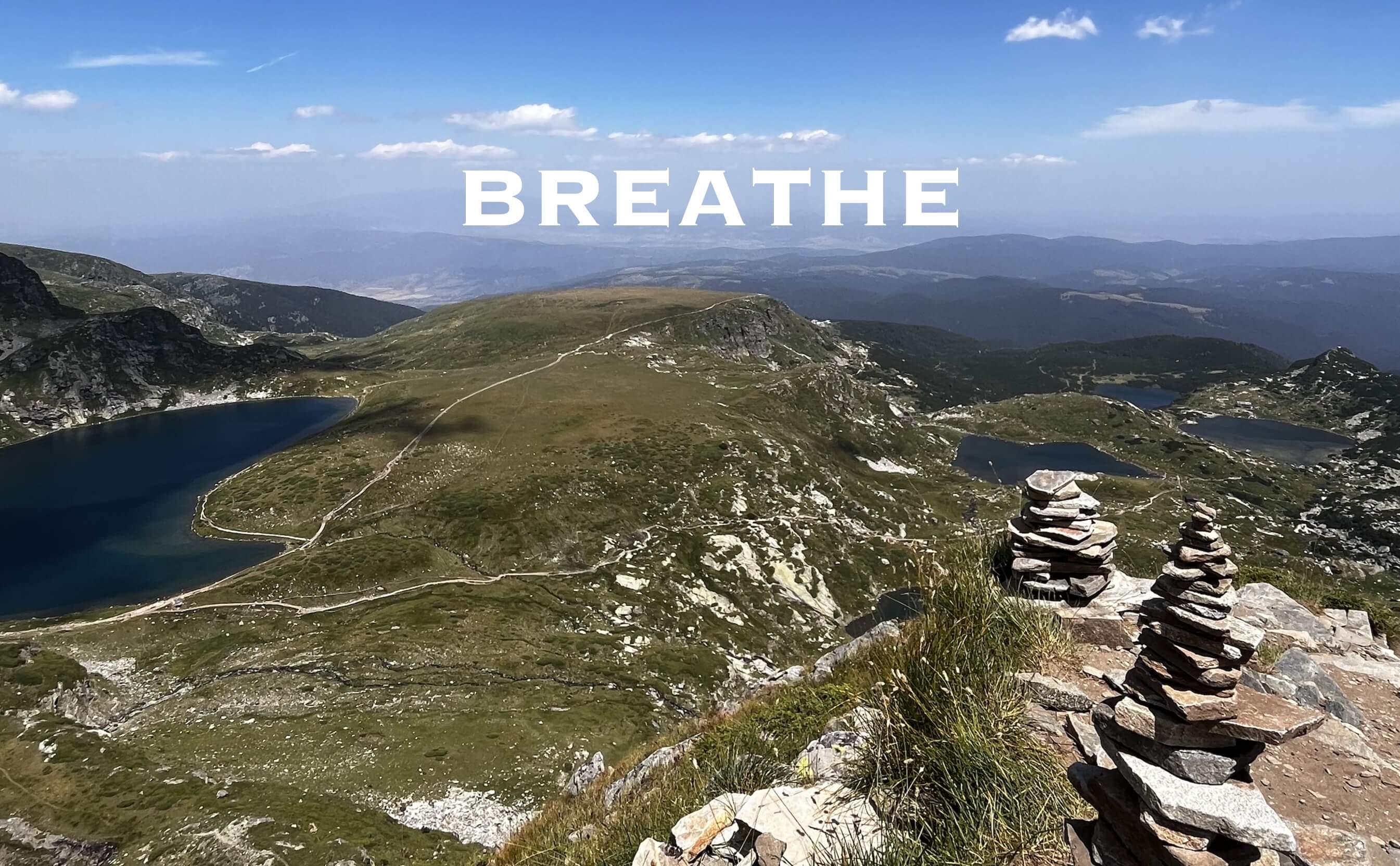
“Breath control is instinctively recognizable as not only a human-only skill but also as one that is intimately linked to our unique powers of mental and emotional self-regulation.” ― Caroline Williams
Think about your best friend! Remember how every time you need them, they are there for you? When you struggle and call them (or meet in person), they infuse you with strength or soothe your soul? But, maybe, sometimes they are not available immediately? You need to chase them down via texts or calls, before connecting properly? Now, think about a friend that is available for you every second of every day, throughout your lifetime. They provide instantaneous relief (or strength); no words needed! No texts or calls! They are available instantly: in the very same moment you think of them! This is your breath!
Indeed, we all love our friends and families, but nothing gets close to the invaluable role breath plays in our lives. Sorry guys! The breath is the best companion we lean on, no matter the issue at hand. It is so easy to forget, because it’s always here to support us. And it’s the most powerful connection to life we will ever know! While we observe it and study it we understand: the quality of our breath directly impacts the quality of our lives.
Breathing is the most essential tool to utilize, in navigating our emotions through good and bad. Our breath has the extraordinary power to lift us from despair to bliss, on demand. Consider this: how many of our problems would have never even occurred, if we could self-regulate and not react in a negative or distracted ways in the heat of the moment? Fights with the partner, or family? Issues at school, or work? Road rage and reactivity? Navigating anger or resentment in complex relationships? Just pause and reflect on this for a moment…
We don’t teach how to breathe?
Over time, I’ve come to recognize the flaws in many of our societal structures. The belief that certain people deserve more opportunities based on their appearance, the limited access to healthcare and education, and the unsustainable economic growth models—these are just a few examples. It’s disheartening to see how an intelligent species can consistently make such unsustainable, even self-destructive choices. However, let’s be honest: this is a part of who we are.
Human nature has self-destruction patterns that are innate to it. While I understand that self-sabotage is part of us, I cannot accept our failure to teach young people the importance of breath! Millions suffer needlessly, unaware of the powerful tool they possess. Most importantly, the fundamentals of breathing are simple to grasp, yet so transformative.
In terms of managing our health and emotional states, the breath is so essential, as it directly influences our nervous system. This intricate network of nerves is our filter for experiencing reality. When the weather turns cold, our nervous system sends signals of chill. When danger looms, it activates our fight-or-flight response. This filter, however, can sometimes misinterpret information; we will cover this next time.
Two modes: use energy and conserve energy
Our nervous system operates in two primary modes: sympathetic and parasympathetic. It constantly switches between the two to accommodate for the requirements. The sympathetic nervous system, or fight-or-flight mode, mobilizes energy for action. Breathing becomes shallow and chest-focused as blood is diverted to our muscles. Think of intense exercise: our body demands energy, and our breath and blood flow adapt accordingly. Conversely, the parasympathetic nervous system, or rest-and-digest mode, conserves energy. Breathing deepens and becomes belly-focused, while blood flows to our digestive organs. This is why it’s important to avoid intense exercise immediately after eating. By diverting blood away from the digestive system, we hinder the process of nutrient absorption and energy production.
In summary, simply understanding the workings of our nervous system can significantly improve our lives. We can supercharge our mind and body by consciously directing our breath and blood flow. Awareness and focused intention can have a profound impact on our well-being and our relationship with others. Now let’s recap the key points from this article:
- We often overlook the invaluable role of breath in our lives. It’s the key to unlocking our full potential. By understanding and harnessing the power of our breath, we can optmizie our well-being and performance!
– - Our nervous system and breath are deeply intertwined. The way they work together shapes how we perceive and feel everything around us. The two primary modes of the nervous system (sympathetic and parasympathetic) are designed for different purposes. Understanding these and how to use them is essential to improving our well-being and optimizing performance;
– - Breath education is important! By empowering people with the knowledge and tools of breathwork, we can create a healthier, happier society. Let’s share the gift of breath and inspire others to unlock their full potential!
Next, in the following articles we are going to be covering in detail the tools we can use on a daily basis to optimize our breath and nervous system. Stay tuned!
(to be continued)
Pavel